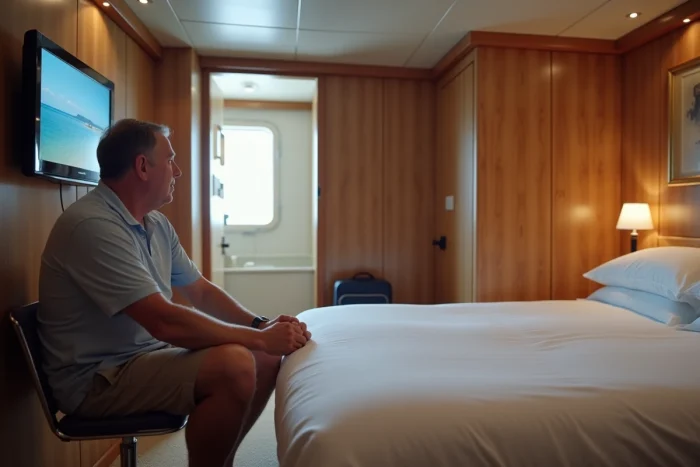
On a cruise ship, access to television channels rarely resembles what one finds on land. Between limited packages, paid options, and technical restrictions, the promise of having a screen on at will quickly clashes with the reality of the open sea.
Television and internet on a cruise: what are the realities on board?
Once on board, television no longer has the same flavor. Passengers find, in their cabins, a limited selection of free channels: often international programs, continuous news bulletins, sometimes a few movies, but not much more. Expanded access, whether on demand or through premium packages, usually comes with an additional charge. This extra cost, displayed on the television screen or on the ship’s portal, varies depending on the company and the cabin’s standard.
Satellite reception, on the other hand, remains fickle. As soon as the ship moves away from the coast or crosses an unstable weather zone, the signal can weaken or even disappear. Cruisers tempted by streaming quickly discover that, without the right internet package, there are no miracles: only “browse” or “browse stream” packages allow for the hope of watching their favorite programs. But again, the price rises, and the connection lags far behind land standards. For a few hours of viewing, one sometimes has to pay the price of a monthly subscription at home.
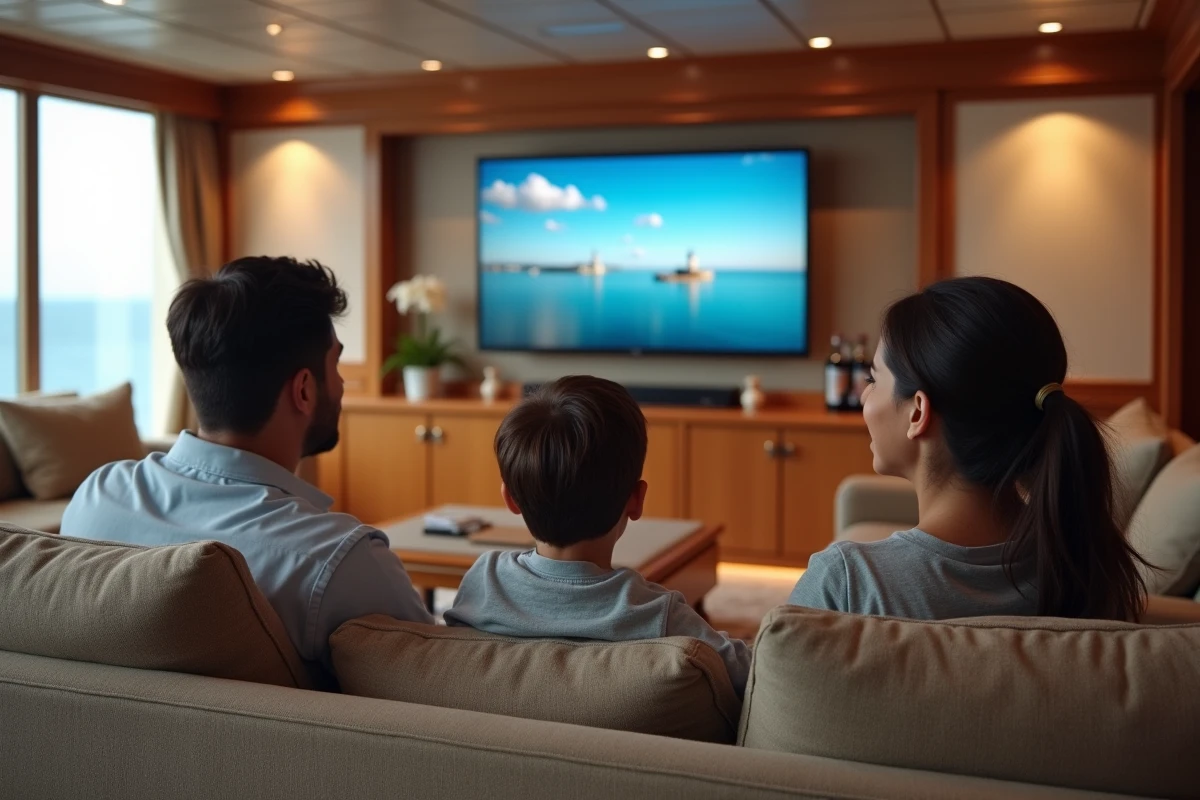
In shared spaces, clubs, or lounges, the atmosphere changes: screens broadcast channels chosen by the company, imposing their programming on everyone. To grasp the subtleties and avoid pitfalls, the Voyageurs Créateurs website details the options and scams to avoid, a useful passage before setting sail.
The trend is accelerating: many companies are developing mobile applications that allow access to personalized content. But this service is only available to holders of a dedicated wifi package, and the comfort of use also depends on the collective bandwidth available on board. A la carte television at sea is never quite within reach without anticipating technical and financial constraints.
Should you budget for access to television and wifi on a ship?
From the moment you arrive, the situation is clear: watching television or surfing freely on the internet is not automatic. Free access is often limited to general channels, while access to packages, movie channels, or on-demand services requires paying: these options are charged daily or for the entire duration of the stay, depending on the chosen plan.
The wifi offer also adopts a segmented logic. Here’s how the main packages are structured, according to usage:
- The so-called “browse” package allows for basic browsing: checking emails, reading the news, but no video.
- The “browse stream” version allows for streaming, but the price quickly rises: for a week, the bill can easily exceed a hundred euros, depending on the company and cabin category. Luxury suites sometimes benefit from privileged access, included in high-end offers.
The actual quality depends on the ship’s installation: satellite antennas, network capacity, number of passengers connected simultaneously. Internet packages therefore vary based on the device used, whether it’s a smartphone, laptop, or tablet, and the expected level of comfort. Everyone must decide: pay to enjoy a screen in their cabin, settle for the collective offer, or take a digital break during the trip. On a cruise ship, television and wifi are earned, and can weigh heavily on the expense balance.
Tips for enjoying connected services without unpleasant surprises at sea
Digital services are enticing, but the reality can quickly become frustrating on board. To navigate smoothly, some precautions should be taken as soon as the trip is planned. First rule: remember to download in advance everything you plan to watch or listen to. Whether it’s series, movies, or digital guides, store them on your devices before boarding: the wifi on board never guarantees a stable or fast connection.
Find out about the available packages: each company offers its own plans, tailored to different uses and the duration of the cruise. Take the time to compare, read the detailed conditions on the company’s mobile app or in the journal provided in the cabin, to avoid subscribing to an unsuitable and expensive package.
To avoid unpleasant surprises, here are a few points to check before departure:
- The coverage of your mobile plan: maritime roaming can be costly, even for a simple SMS. Put your device in airplane mode and activate the wifi only when necessary.
- Activities on board: between themed evenings, restaurants, shows, and entertainment, there are countless ways to enjoy the trip without relying on a screen.
Taking out specific insurance is also relevant, especially for those with particular needs. A private balcony or specific amenities can make the stay more comfortable, without fearing unpleasant surprises related to connectivity. Prepare each digital use as you plan your stops: the pleasure of cruising is all the better when screens do not dictate the schedule.
Staying connected at sea is not automatic. Preparing your usage, knowing the rates, and accepting a few interruptions is sometimes a way to reconnect with the very essence of travel: lifting your eyes from the screen and letting the horizon put on the show.