Within healthcare institutions, a medical prescription alone is not enough to ensure the quality of care: the concrete application relies on specific skills that are rarely highlighted. Protocols evolve regularly, requiring each professional to adapt their practices to the pace of medical innovations and regulatory demands.
The delegation of medical acts, often unknown to the general public, places certain practitioners in a shared responsibility zone where errors are no longer the fault of a single individual. Initial training does not cover all the concrete situations encountered throughout a career, necessitating continuous updates of knowledge and technical skills.
Why do nurses occupy a central place in the care pathway?
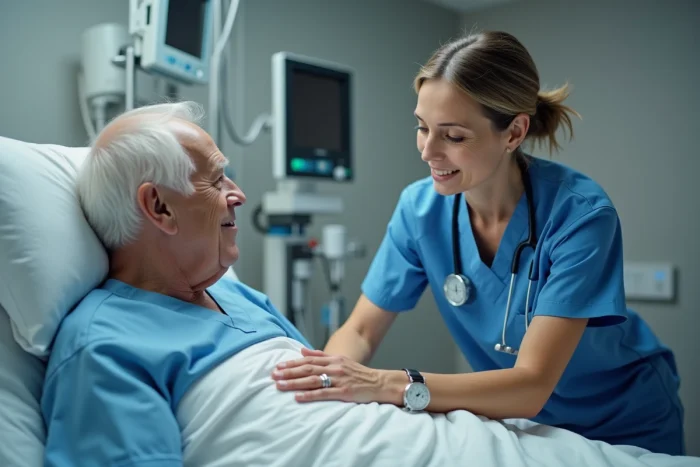
In the hushed world of hospitals, the nursing profession stands on the front lines, discreet yet essential to the coherence of the health system. Nurses and nurse practitioners embody this crucial cog: present tirelessly with patients, they transform each prescription into a personalized care act. Nothing happens without them. Monitoring vital signs, distributing medications, performing technical procedures, as well as attentively listening to concerns and relaying information between specialists and families: everything converges towards their expertise. Each intervention is based on adherence to professional standards and a constant rigor, guided by legislation.
However, the nursing role goes far beyond procedures. It requires an attentive eye, an ability to anticipate, and a constant adaptation to the reality experienced by each patient. Clinical observation, prevention of infectious risks, and coordination with other health professionals form the pillars of a silent yet decisive commitment.
Here are some concrete examples of daily missions:
- Basic and specialized care
- Health prevention and education
- Psychological support
This profession unfolds in all environments: hospitals, home care services, health centers, public institutions. the Bee Healthy website highlights, through its analyses, the plurality of these responsibilities, the multiple facets of the missions carried out, and the imperative of constant vigilance regarding the legal framework. Through the breadth of skills and the strength of commitment, the nursing profession establishes itself as a pillar of any care pathway.
Multiple responsibilities: an overview of missions according to professional environments
In the health sector, nurses and nurse practitioners adjust their practice to the reality of each structure. Their daily life is anything but immutable: it reinvents itself in hospitals, health centers, within maternal and child protection (PMI), or in occupational health. Agility is the rule.
In a hospital setting, the nurse orchestrates the coordination of nursing care, monitors the progress of patients, and administers treatments. Between managing emergencies, detecting complications, and communicating with families, their days unfold at a sustained pace. In the field of occupational health, the occupational health nurse focuses on prevention, organizes medical visits, and implements awareness-raising actions for health promotion.
In primary care structures, the priority is on therapeutic education for patients and prevention: informing, supporting, redirecting if necessary. Missions in maternal and child protection cover support for young mothers and monitoring child development.
To concretely illustrate this diversity, here are some regular areas of intervention:
- Health education and prevention
- Individualized patient follow-up
- Coordination with other professionals
Adaptability, versatility, creativity: the richness of the profession is expressed through the multiple fields of action in the health domain.
The evolution of the nursing profession: continuing education, specialization, and impact on public health
Requirements are constantly evolving, forcing the training of nurses to go beyond the initial diploma awarded by nursing training institutes. In the face of upheavals in the health domain, continuing education has become the norm. It allows for updating knowledge, acquiring new skills, and mastering the latest technical and therapeutic advancements. The growing diversity of clinical situations makes this approach essential and contributes to securing the pathway for patients.
Specialization and the broadening of the scope of action are now shaping new horizons. Occupational health nurses, specialists in psychiatry, experts in geriatrics or anesthesia: professional paths are multiplying, encouraged by health training and the experience gained. These professionals engage in team management, project coordination, prevention, or therapeutic education.
This dynamism has direct repercussions on public health. The nurse becomes a central figure in prevention, epidemiological surveillance, and population follow-up. The health system relies on this expertise to guarantee the quality, continuity, and adaptability of care. Thanks to nursing education and skill enhancement, new roles are emerging at the intersection of care, coordination, and innovation.
As society evolves and needs refine, the nursing profession enriches, expands, and shapes a future where health is no longer conceived without them.