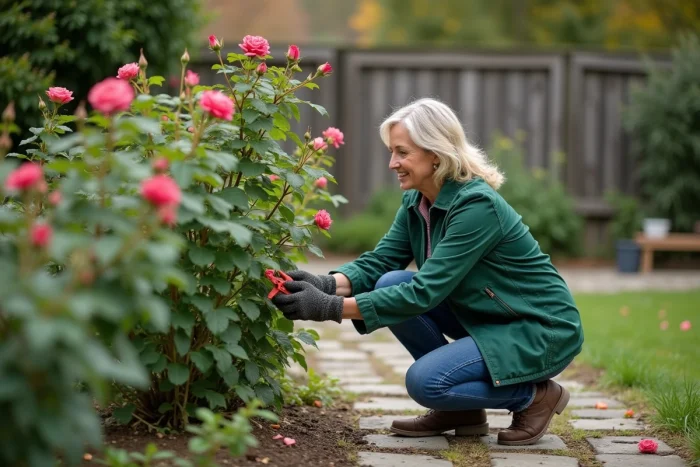
Organic mulching halves the time spent weeding each year. Some perennials, discreet yet effective, store nitrogen and enrich the soil without any industrial fertilizers. Betting on local and resilient varieties saves you from repeated treatments against diseases and insects. When the soil is rich in humus, daily watering becomes unnecessary, even during dry spells. Finally, good hand tools lighten the workload and invite a diverse fauna to settle in.
Why adopt an ecological and easy-to-maintain garden?
The ecological garden stands as a concrete response to contemporary challenges. Acting on the domestic nature of daily life helps preserve balances while simplifying maintenance. The living soil welcomes a precious biodiversity for the resilience of the ecosystem. Reasoned practices encourage the arrival of beneficial insects, true natural allies against pests, and reduce reliance on phytosanitary products. Creating an easy-to-maintain garden means rethinking actions and lightening constraints. Regular observation, crop rotation, and choosing plants suited to the local microfauna become tools for sustainable management. Water, a precious resource, is preserved through mulching and targeted watering techniques. Green waste is transformed into compost, closing a simple and fertile cycle.
Here are some ideas to explore to transform your gardening approach:
- Adopt practical tips to choose robust species suited to your soil.
- Favor mixtures of perennials and annuals for stress-free gardening.
- Value every space, from the vegetable garden to the wild hedge, to diversify uses and habitats.
The platform https://www.conseil-jardin.net/ offers a panorama of solutions, demonstrating that gardening can combine pleasure, efficiency, and respect for the environment. Drawing inspiration from this guide for the layout of your garden means placing observation and adaptation at the center, rather than constraint. The practical tips for reasoned gardening are part of an approach where every action counts and where balance prevails over performance.
Which plants and materials to prioritize for minimal maintenance?
Successfully creating a low-maintenance garden starts with the thoughtful choice of plants and materials used. Prioritize garden plants that align with the nature of your soil, capable of thriving without constant supervision. Ornamental grasses, hardy perennials, and ground covers are significant allies. Their thick foliage slows the proliferation of unwanted weeds and helps the soil retain moisture, thus limiting watering needs.
To facilitate your choices, here are proven solutions:
- Perennials: they endure the seasons without weakening. Their deep roots allow them to find water even during heat waves.
- Mulch (mineral or organic): this cover protects the soil, cushions temperature variations, and slows the growth of unwanted plants. Depending on the desired ambiance, choose bark, wood chips, or gravel.
- Compost: by incorporating it regularly, you nourish the soil and energize the microfauna, essential for a natural garden.
In the vegetable garden, focus on rustic and local varieties that are less susceptible to diseases. Clever combinations, like tomato and basil, boost crop vigor and make the best use of available space.
Planning remains the cornerstone for designing a garden that is harmonious and easy to live with. Alternate flowering beds and lawns, install permeable paths, and multiply uses without overburdening maintenance. Relying on a guide to design your garden allows for informed choices and encourages the natural autonomy of your green space.
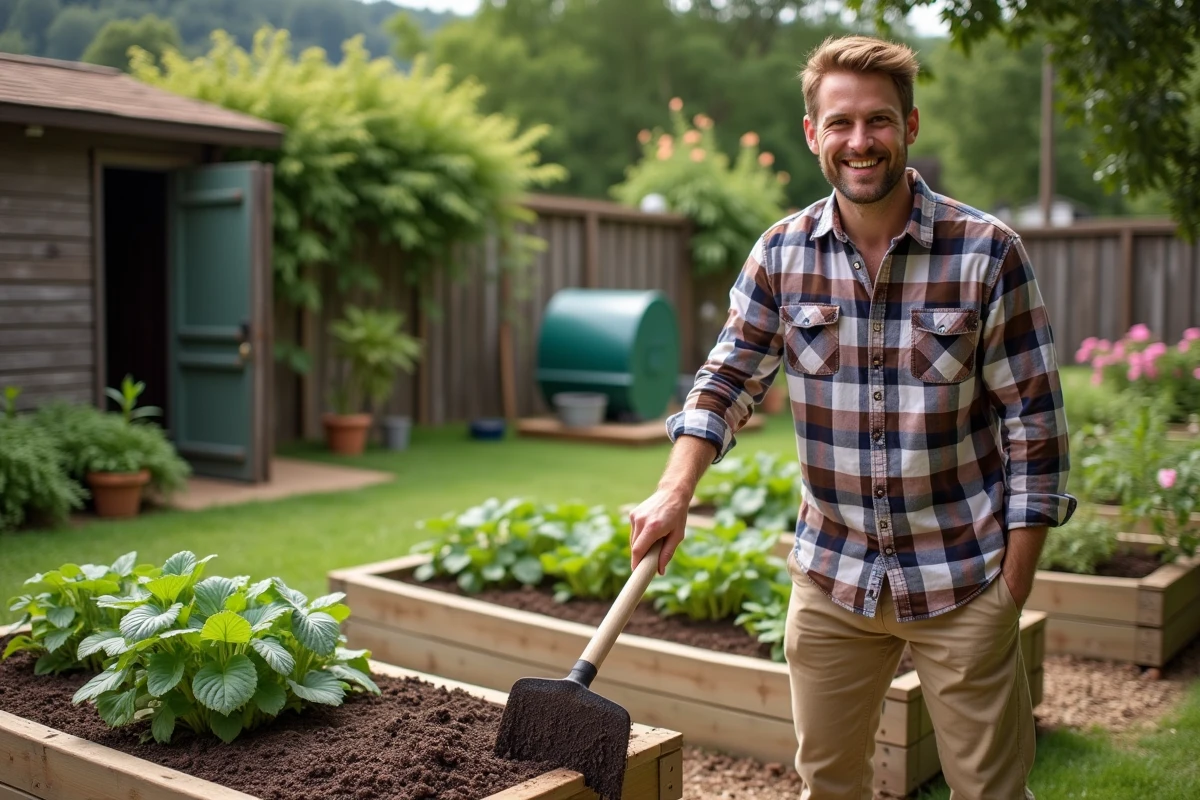
Simple daily actions for a sustainable, hassle-free garden
A regular maintenance routine is better than exhausting long sessions. Maintaining the balance of your garden sometimes only requires a few minutes: monitoring foliage, removing faded flowers, lightly aerating the soil with a claw. These seemingly trivial actions support growth and limit the spread of diseases.
Mulching plays a central role. Place a cover of organic materials, wood chips, or dead leaves at the base of plants. This way, moisture stays in place, weeds become rare, and the soil is protected from frost in winter and drying out in spring.
In your daily routine, you can adopt these habits:
- Watering: target the supply early in the morning or in the evening to avoid unnecessary evaporation.
- Biodiversity: keep a few wild corners. They shelter beneficial insects and pollinators, ensuring the garden’s vitality.
- Compost: make use of your green waste. A bit of compost at the base of the beds nourishes the soil without resorting to industrial fertilizers.
Adapt your watering practices according to the weather. A well-protected soil retains moisture; a quick finger test is enough to know if watering is necessary. For the lawn, set the mower higher: longer grass withstands drought better and provides refuge for microfauna. The maintenance of your garden then transforms into a series of simple actions, paced by the season, serving a vibrant space where every intervention makes sense.